Call us +84 396 919 611



Transporting luggage on a private jet offers far greater flexibility compared to commercial airlines. However, every flight must comply with strict safety regulations and the aircraft’s operational limits. The amount and type of luggage permitted depend on specific technical factors.
Key Factors Determining Luggage Capacity
The luggage capacity on a private flight is not a fixed number. It is determined by a combination of three main factors:
1. Aircraft Type
This is the most significant factor influencing both the volume and weight of luggage. Each aircraft model has a different baggage compartment design and Maximum Takeoff Weight (MTOW).
-
Light Jets (e.g., Cessna Citation M2, Embraer Phenom 300)
Features: Limited baggage compartment capacity, usually sufficient for personal items on short trips (about one medium-sized suitcase and one carry-on bag per passenger). -
Mid-size Jets (e.g., Bombardier Challenger 350, Gulfstream G280)
Features: Considerably larger baggage space, accommodating multiple large suitcases or bulky items such as golf clubs or skis. -
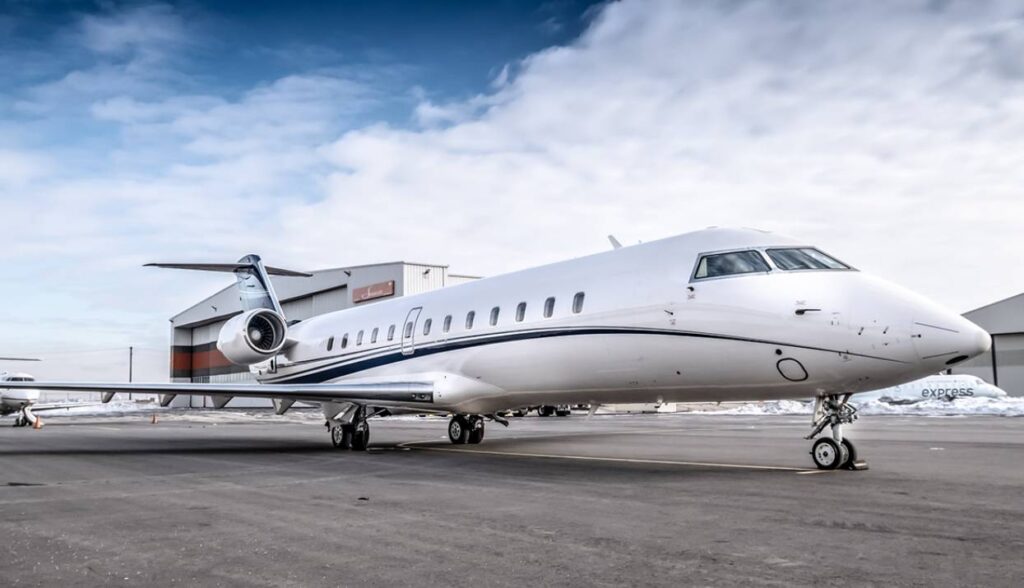
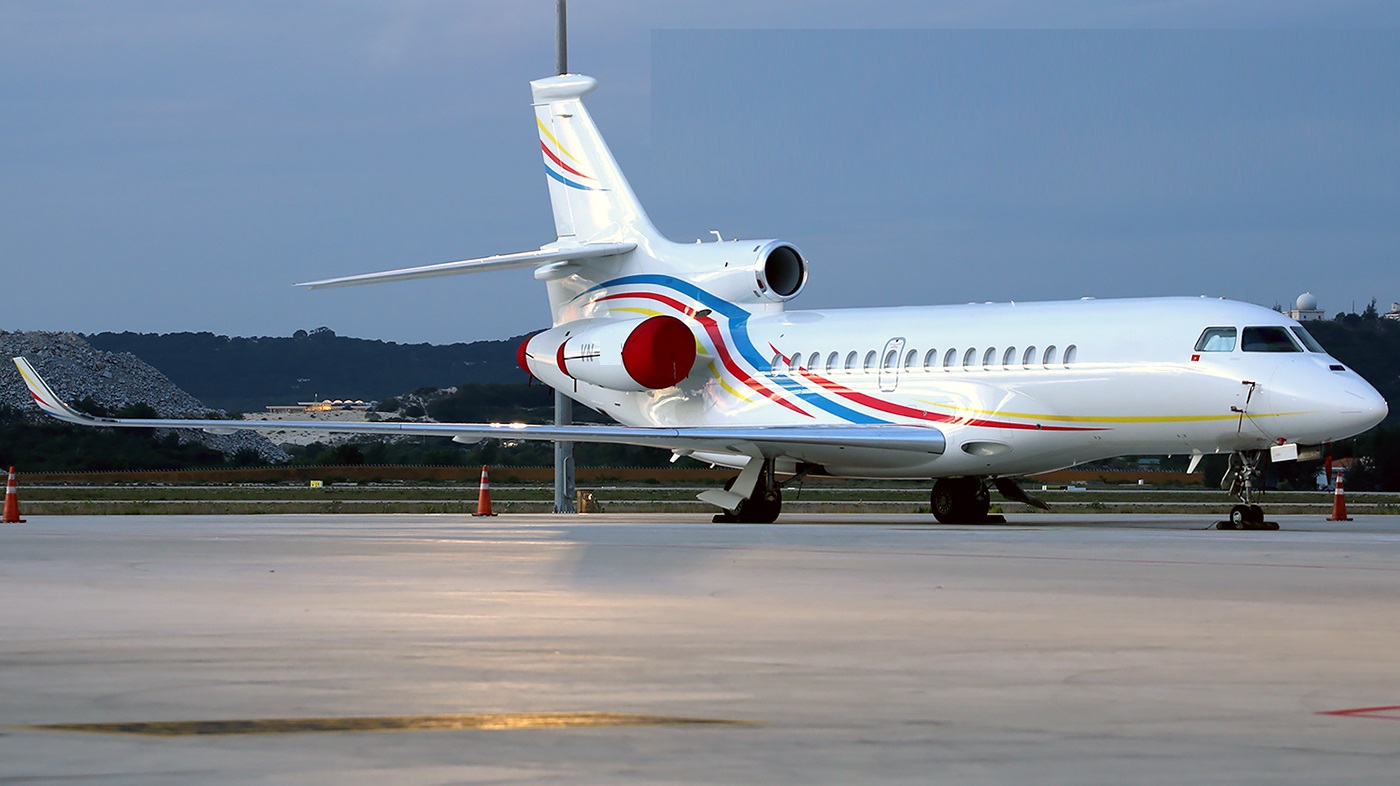
Heavy/Long-Range Jets (e.g., Gulfstream G650, Bombardier Global 7500)
Features: Extremely spacious baggage compartments, with some aircraft offering internal access from the passenger cabin. These jets can carry large volumes of luggage for extended trips or special equipment.
2. Number of Passengers
An aircraft’s weight limit is a technical specification that must be strictly adhered to. The total weight includes the aircraft itself, fuel, crew, passengers, and all baggage.
Principle: The greater the passenger weight (due to a higher number of people), the less allowable weight remains for luggage, in order to ensure the Maximum Takeoff Weight (MTOW) is not exceeded.
Example: A flight with 4 passengers can carry significantly more luggage compared to the same aircraft carrying 8 passengers.
3. Flight Distance
The flight distance directly impacts the amount of fuel required for the journey.
Principle: The farther the flight, the more fuel the aircraft needs. Since fuel accounts for a significant portion of the total weight, loading more fuel reduces the available payload for passengers and luggage.
Example: A short flight allows for more luggage compared to a long-haul, intercontinental flight on the same type of aircraft.
Recommendation: For the most accurate information, passengers should consult with their flight service provider in advance. Providing details about the number of passengers, the estimated number of luggage items, and their dimensions will help the operator recommend and arrange the most suitable flight.
Restricted Cargo and Safety Regulations
Safety is the top priority in aviation. Therefore, certain regulations on restricted items are strictly enforced.
1. Prohibited Items
This list follows general aviation regulations and allows no exceptions:
-
Explosives (e.g., ammunition, fireworks, gunpowder)
-
Gases (e.g., pepper spray canisters, gas cylinders)
-
Flammable liquids and solids (e.g., gasoline, paint, matches)
-
Toxic substances, corrosives, infectious materials, or radioactive materials

2. Special Transport Regulations
Compared to commercial airlines, private jets have certain more flexible rules:
-
Liquids: The 100ml limit for liquids, gels, and aerosols in carry-on baggage generally does not apply. Passengers may bring larger bottles or containers.
-
Weapons: Carrying weapons (e.g., hunting rifles) may be permitted if strict procedures are followed:
- Must be declared in advance to the operator.
-
Must present legal ownership and usage permits.
-
Weapons must be unloaded, placed in a locked case, and handed over to the flight crew for safekeeping during the flight.
-
The captain has the final authority to approve or deny transport.
-
Batteries and electronic devices: Items such as power banks, spare lithium batteries, and e-cigarettes must be carried in hand luggage (inside the passenger cabin). This ensures they can be monitored and handled promptly in case of an incident.
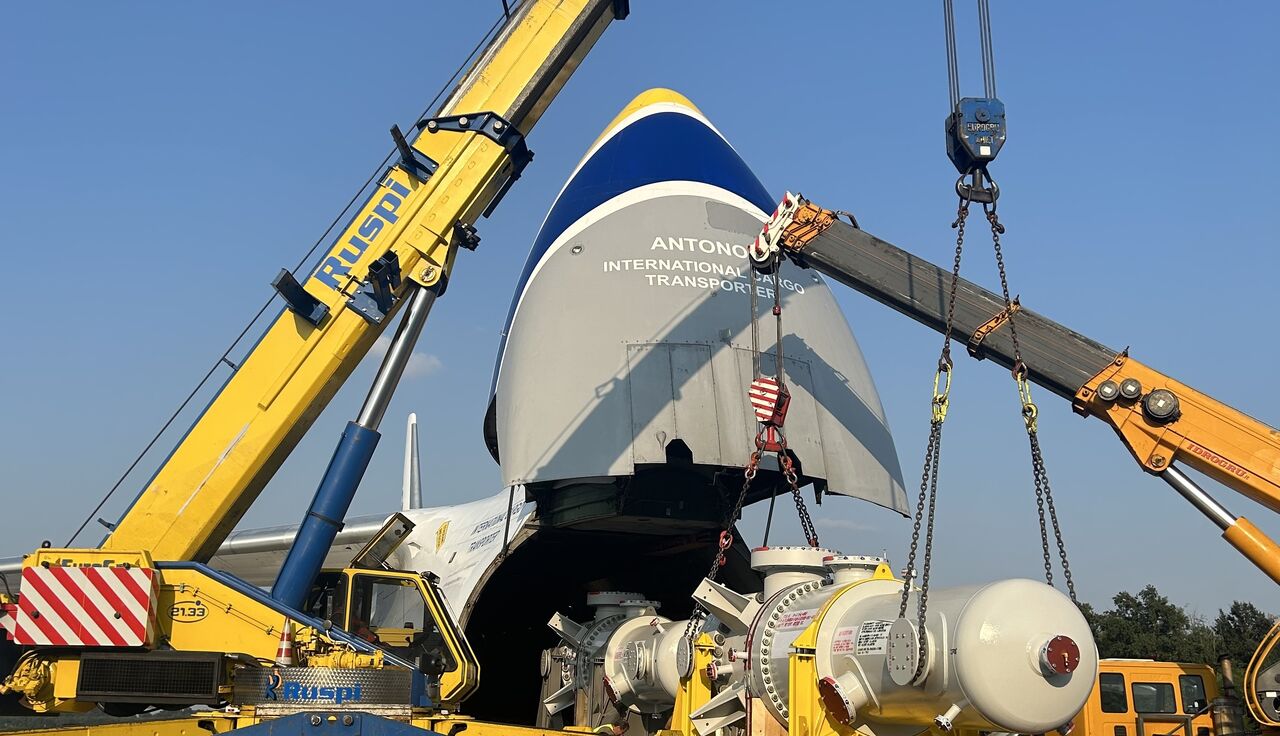
3. Transporting Special Types of Luggage
One of the advantages of private jet services is the ability to carry non-standard luggage:
-
Pets: May be allowed to travel with their owners in the passenger cabin.
-
Musical instruments: Valuable or large instruments can be placed in the cabin.
-
Artwork and high-value goods: Transported under dedicated security and supervision procedures.
-
Sports equipment: Items such as golf bags, bicycles, etc., can be accommodated.
Important note: For all these special types of luggage, passengers should notify and coordinate with the service provider in advance to ensure proper preparation and arrangements.
About JetVina
JetVina is a specialized private aviation company based in Vietnam, offering private jet solutions and charter flights with a global aircraft network — covering not only Vietnam, Southeast Asia, and Asia but also destinations worldwide.
For consultation and detailed information about private jet charter services, customers can contact JetVina via WhatsApp/Phone at+84 396 919 611 (zalo) or email flights@jetvina.com.